Meeting Notes That Lead to Next Steps

- Good meeting notes capture decisions, owners and next steps — not every word.
- Use the same simple format for every meeting.
- Mark action items clearly so they stand out on the page.
- Spend two minutes after the meeting moving actions into your plan.
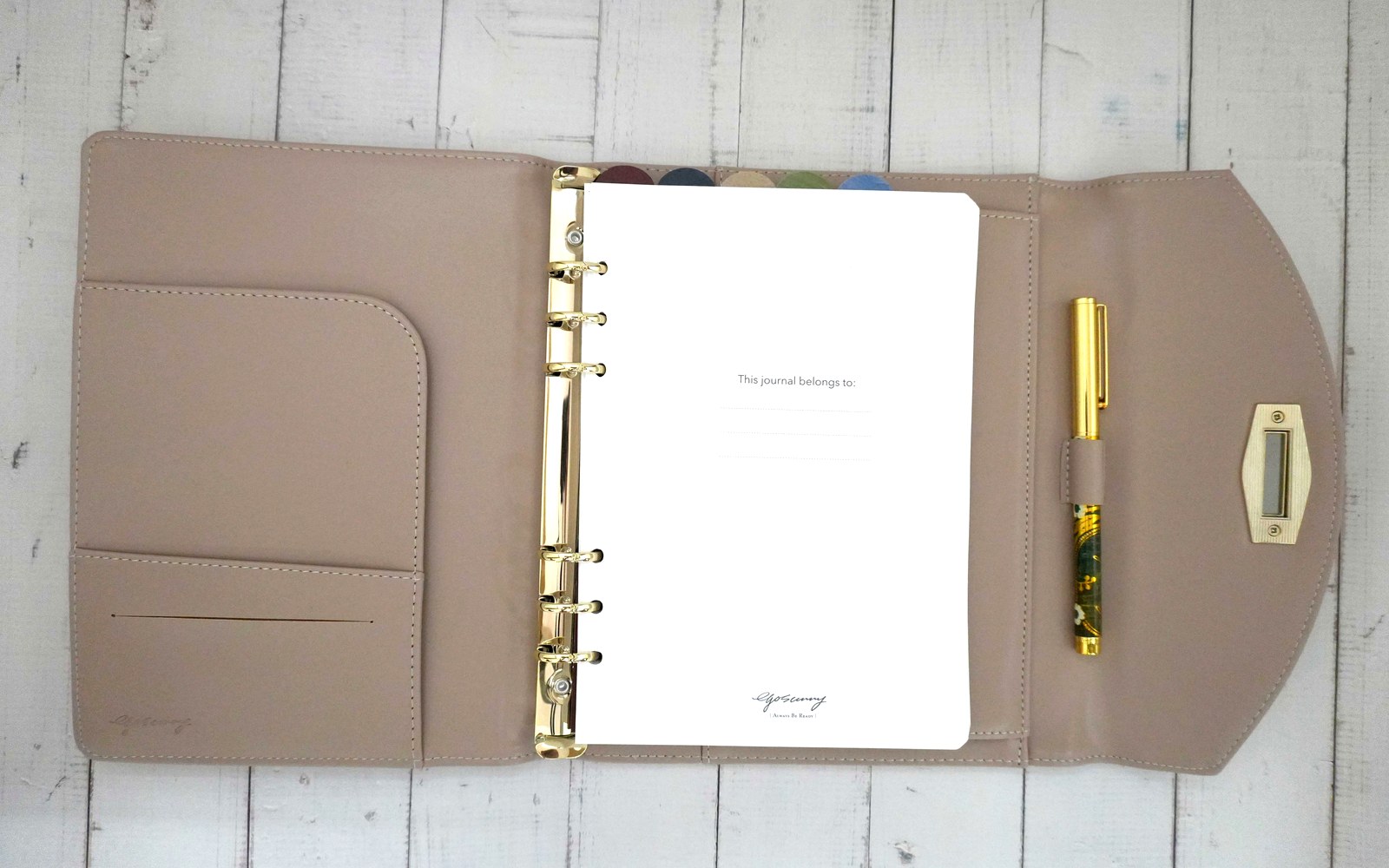
- A polished planner also sets the tone when you walk into the room.
Meeting notes lead to next steps when you capture decisions, owners and dates — not every word — and spend two minutes afterwards moving your actions into your plan. That small habit is the difference between a full notebook and a moving project.
For the shape of a whole workday, see From Meeting to Coffee: Workday Planning. This page zooms in on the notes themselves.

A simple page format
- Header — meeting name, date, who was there.
- Key points — three to five short lines.
- Decisions — what was agreed, in plain words.
- Actions — task, owner, date. Mark each with one clear symbol.
- Questions — anything to follow up.
Using the same format every time means your eyes know where to look weeks later.
The two-minute follow-up
As soon as the meeting ends — before the next email — move your own actions onto the right day in your planner. If something is waiting on someone else, note it in a follow-up list. This is where most notes fail, and where yours will succeed.
Listen first, write second
Handwriting slows you down just enough to choose what matters. Many people find they remember more when they write by hand. If you mix paper and screens at work, Paper and Digital Planning Together shows how they complement each other.

A planner that suits the room
What you bring to a meeting says something before you speak. The Terence brings smooth composure; The Croco brings textured confidence. Not sure which? Read Croco vs Terence. For deep, quiet work after the meeting, see Deep-Work Focus Blocks.
Where to find EGOSUNNY
Confirm the latest details on the official product page for your market before you buy — sizes, materials, page counts, accessories and colours can differ by version and region. Availability varies by marketplace and season; use the listing for your region for current options.
Fewer words, clearer actions — and meetings that move things forward.